

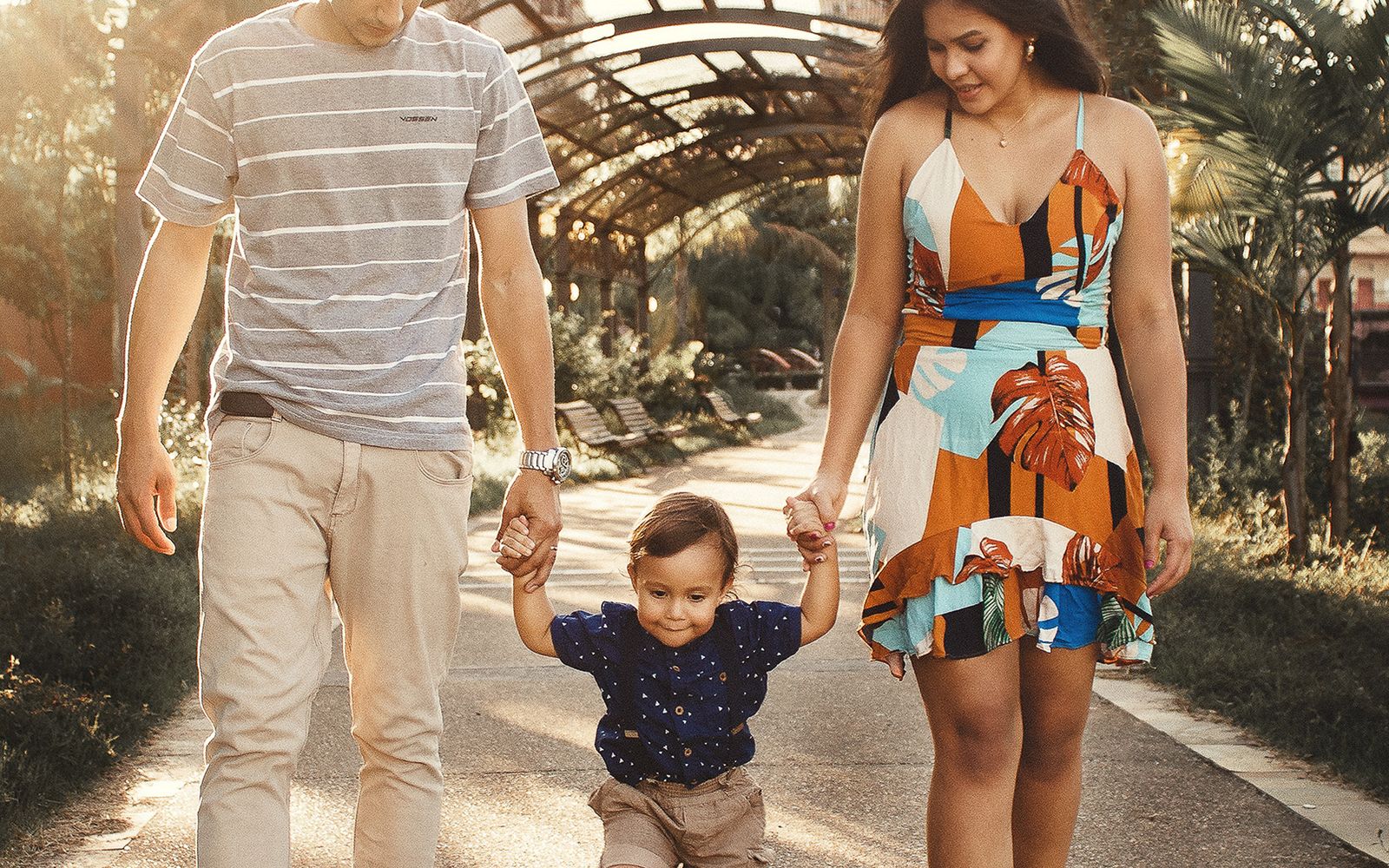
For a child living between two homes, handover day can carry a surprising amount of emotion. They may be excited to see one parent while still feeling sad about leaving the other. The way adults handle that moment matters.
A good handover is usually simple, predictable and free from adult disagreements. It does not need a long conversation or a complicated ceremony.
Agree the practical details early
Be specific about the collection time, location and which adult will travel. If school collection is possible, it can make the transition feel like part of an ordinary day. If you meet face to face, choose somewhere comfortable for the child.
Build in a clear process for delays. A short message saying, “Traffic is heavy, I expect to arrive at 5.15,” is far more helpful than silence followed by an argument.
Make packing easier
Children should not have to remember every essential item themselves. Keep a checklist for medication, school uniform, homework, activity equipment and cherished belongings. Where possible, have duplicates in both homes so forgetting one toothbrush does not create an emergency.
For younger children, a favourite toy or familiar blanket can provide comfort. Older children might prefer to manage their own bag, but they still need adult support.
Keep conflict away from the doorstep
Handover is not the moment to discuss financial disagreements, court proceedings or past arguments. If something important needs addressing, send a separate, factual message after the child has settled.
When direct contact is unsafe, use the handover arrangements recommended by an appropriate professional or specified in an order. Safety comes before the convenience of meeting in person.
Give your child space afterwards
Some children want to talk immediately. Others need a snack, quiet time or their familiar routine before they feel settled. Try not to interpret a subdued mood as a rejection of either home.
A brief, reassuring goodbye can be better than a drawn out one. Avoid asking your child to report on what happened in the other household.
The goal is not to make every transition perfect. It is to help your child know exactly what to expect, feel safe with both parents and move between homes without carrying adult tension.